
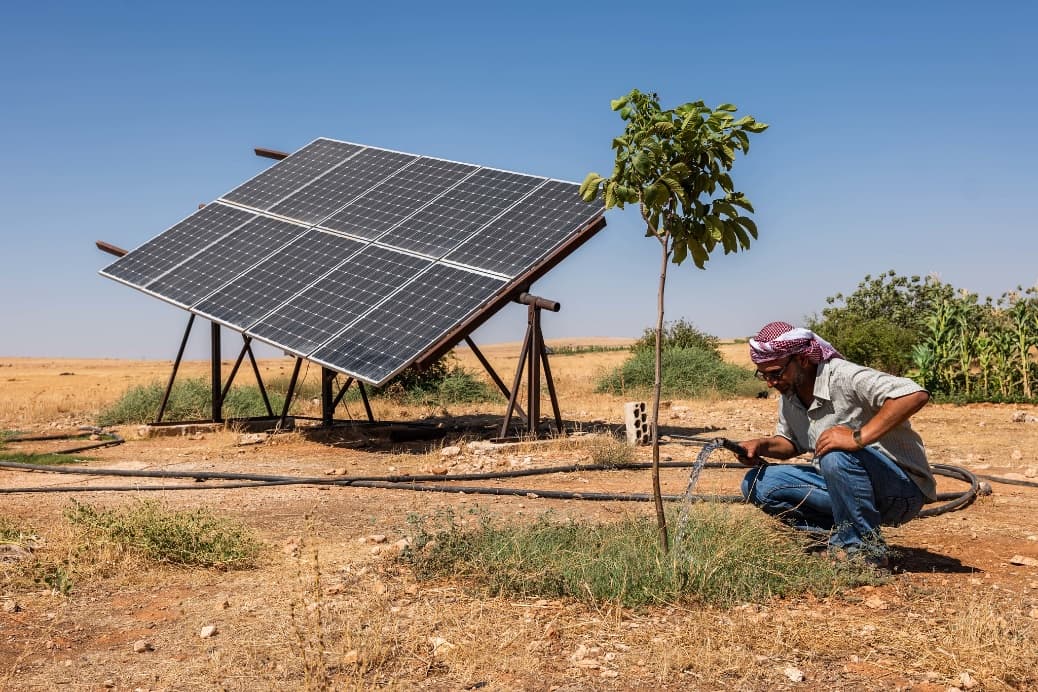
Building ClimateResilience Together
"Afghanistan's youth are the heartbeat of change — learning today to protect tomorrow."
Understanding Climate Resilience
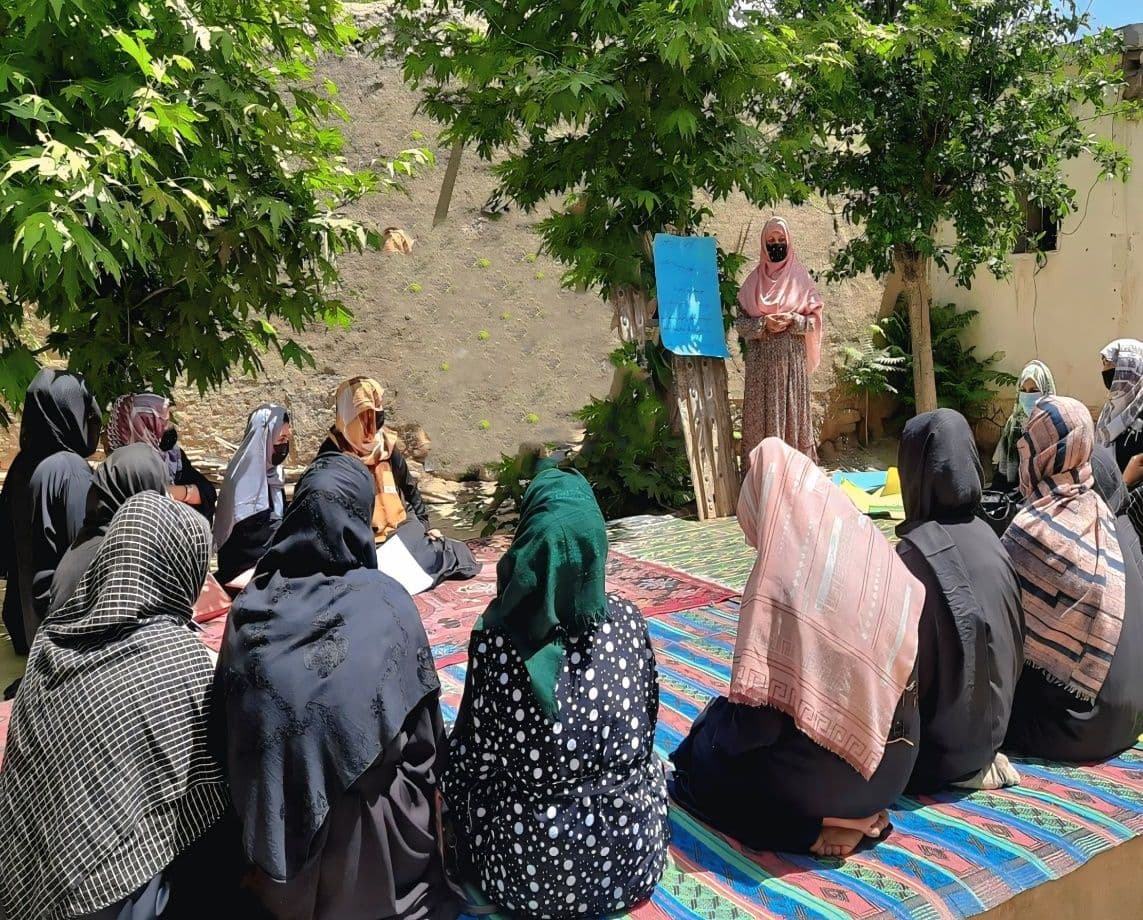
What is Climate Resilience?
Climate resilience means helping people, nature, and communities prepare for, adapt to, and recover from climate shocks — like floods, droughts, and extreme weather. In Afghanistan, these shocks are becoming more frequent and severe, affecting how we live, grow food, and access clean water.
Building resilience starts with understanding our environment. When farmers learn how to save water during drought, or families plant trees to protect soil from erosion, they are building climate resilience. It's about using local knowledge and simple innovations — like solar dryers, composting, or water-harvesting systems — to keep communities strong even when the weather changes.
For young Afghans, resilience also means hope and action. Every time you recycle plastic, reduce waste, or help your community manage water wisely, you're part of a movement that protects both people and the planet. Climate resilience is not just about surviving — it's about learning, adapting, and growing stronger together in the face of change.
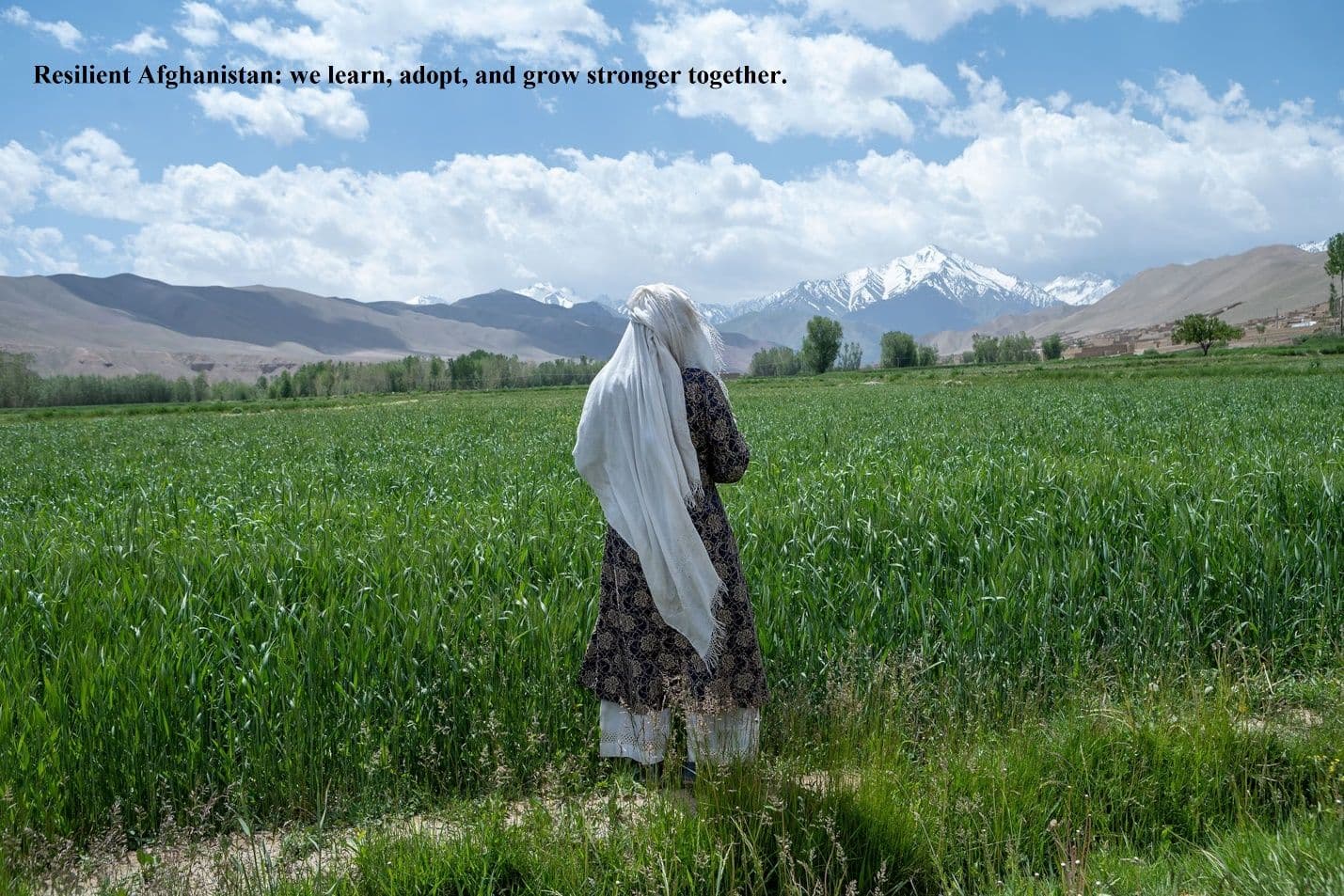
Climate Challenges in Afghanistan
What we face together, and how we can take action
Drought and Water Scarcity
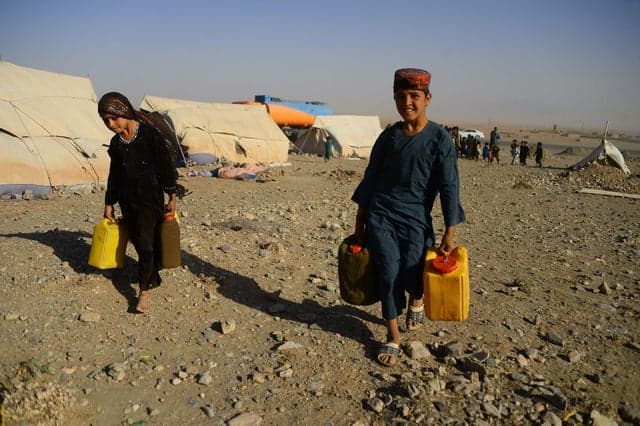
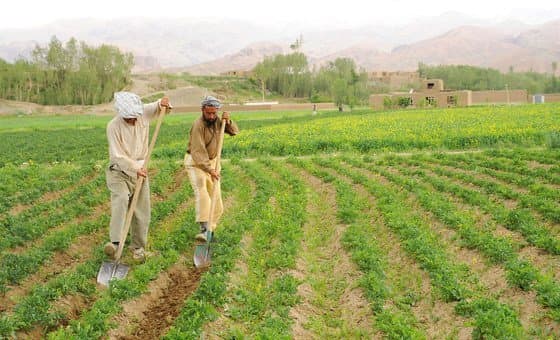
Afghanistan faces recurring droughts affecting two-thirds of the country. Rivers are drying, wells are empty, and farmers are losing crops.
Key Statistics
What You Can Do
- •Collect rainwater at home
- •Use water-efficient drip irrigation
- •Fix leaking pipes
- •Advocate for community water management
Floods and Land Degradation
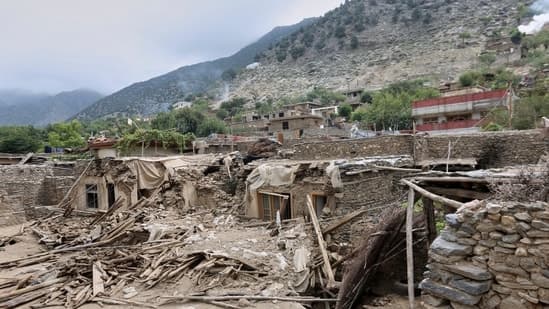
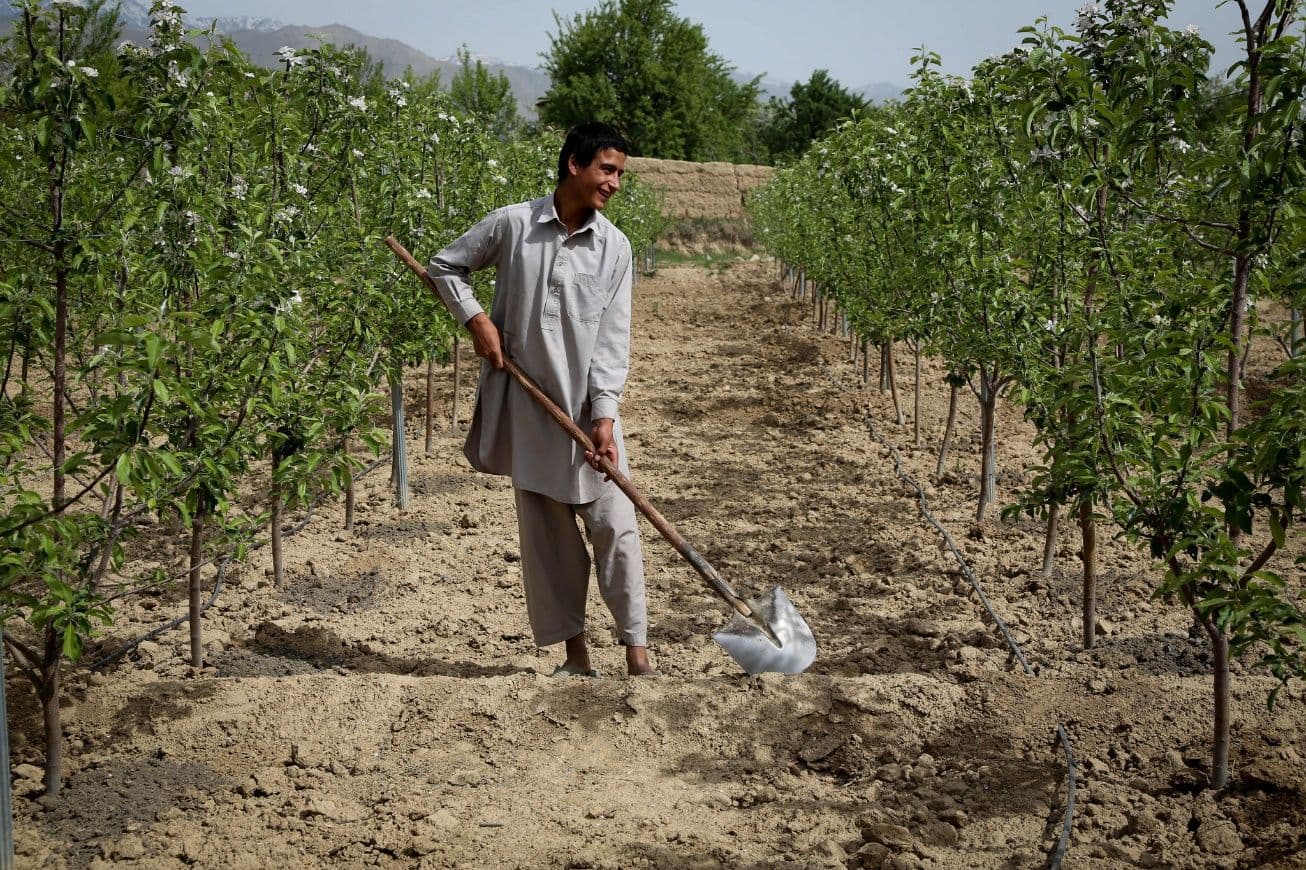
Erratic rainfall causes flash floods destroying homes, crops, and infrastructure while soil erosion threatens agricultural productivity.
Key Statistics
What You Can Do
- •Plant trees to prevent erosion
- •Build simple terraces for slope farming
- •Maintain drainage systems
- •Support community early warning systems
Urban Waste and Air Pollution
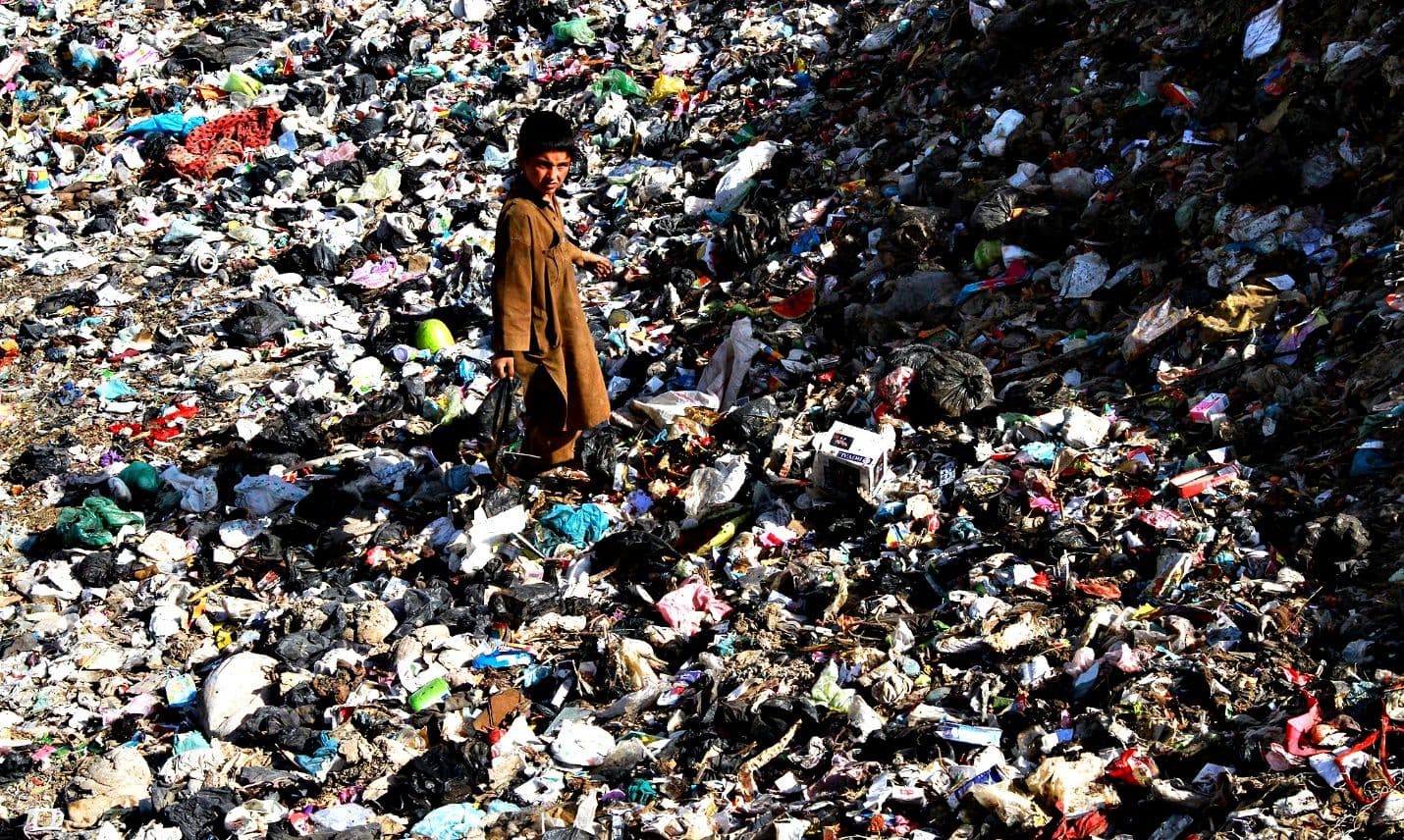
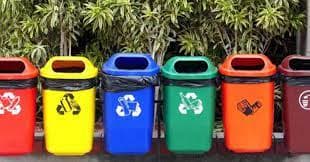
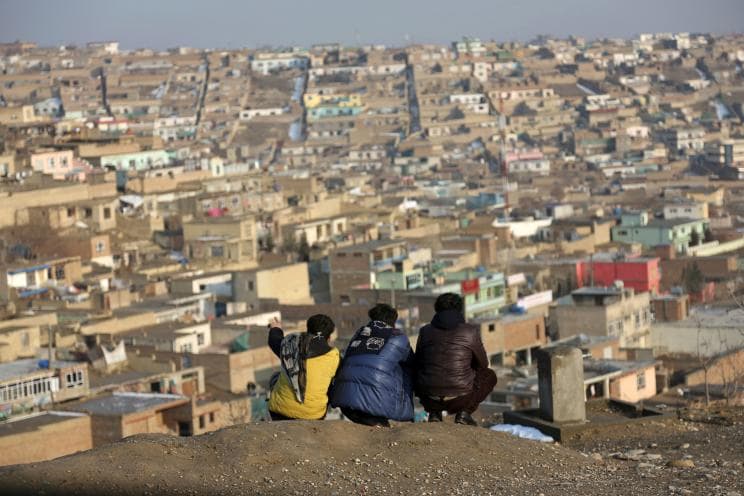
Rapid urbanization without waste systems leads to pollution affecting health, water sources, and community wellbeing.
Key Statistics
What You Can Do
- •Reduce single-use plastics
- •Compost organic waste
- •Organize neighborhood cleanups
- •Recycle paper, metal, glass
Energy and Resource Depletion
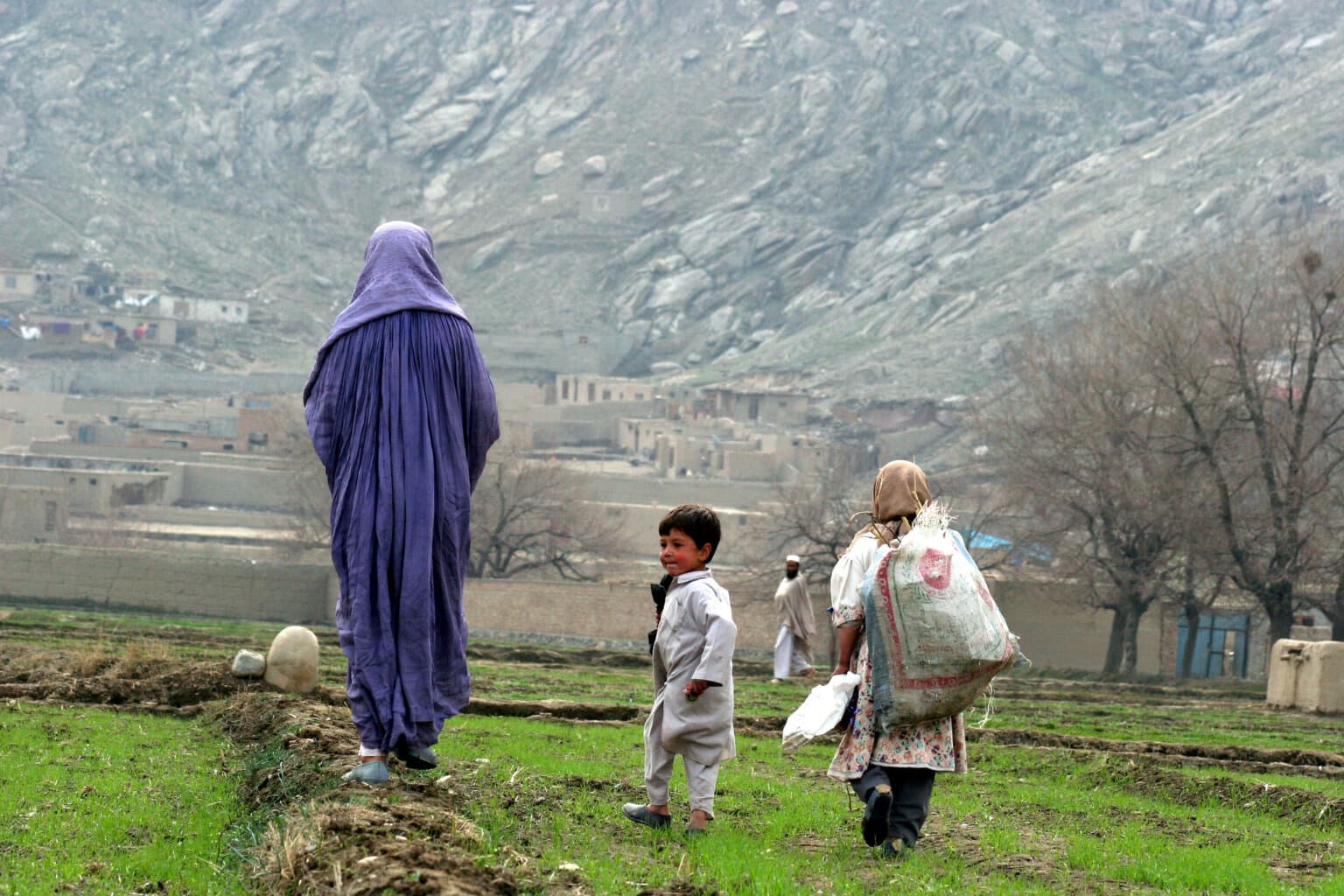
Heavy reliance on firewood and fossil fuels degrades forests, pollutes air, and depletes finite resources needed for future generations.
What You Can Do
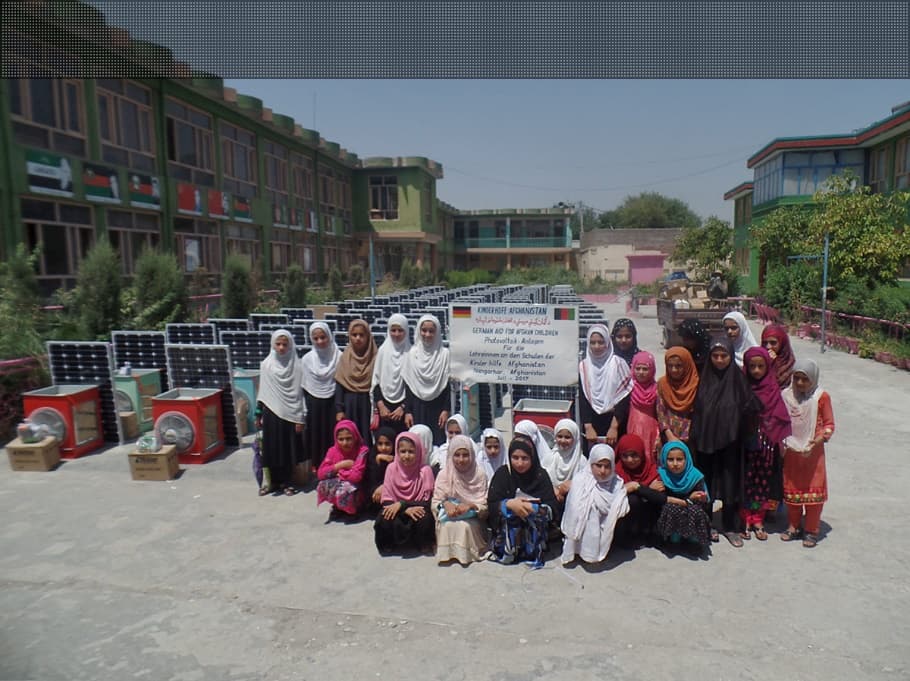
- •Use solar cookers or efficient stoves
- •Turn off lights when not needed
- •Support renewable energy projects
- •Plant trees to restore forests
Learn Climate Skills for Real-World Impact
Hands-on knowledge you can apply today
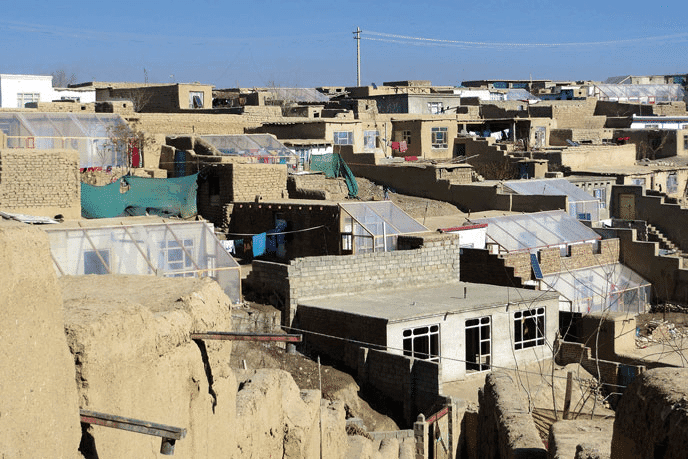
Hands-on Climate Learning Resources
Guides, videos, and articles to take climate action
PDF Learning Guides
Download comprehensive climate guides in PDF format
Comprehensive and complete guides
4 PDF files available
Video Tutorials
Watch high-quality educational videos
HD quality videos
2 videos available
Online Articles
Articles and online resources about climate change
Web-based articles
External links
Young Afghans Making a Difference
Real stories of youth-led climate action
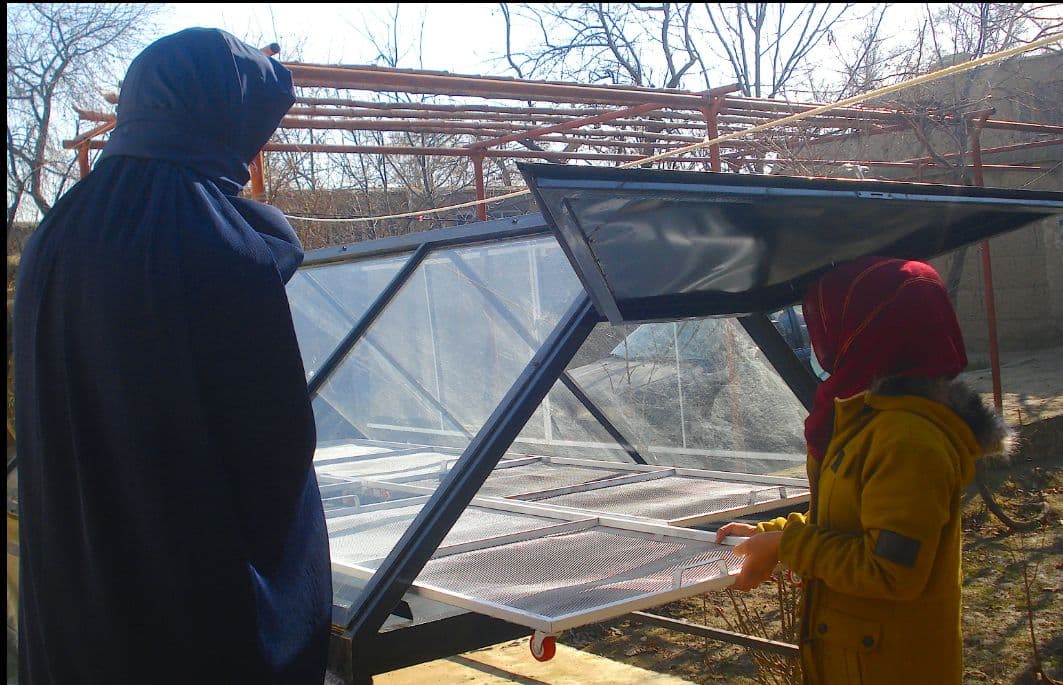
Solar Food Dryer
Solar Food Dryer Innovation
Aisha built a simple solar dryer to preserve fruits during harvest season, reducing food waste in her community by 40%.
Now 15 families use her design.
"Innovation doesn't need a lab — just courage and creativity."
40% reduction in food waste
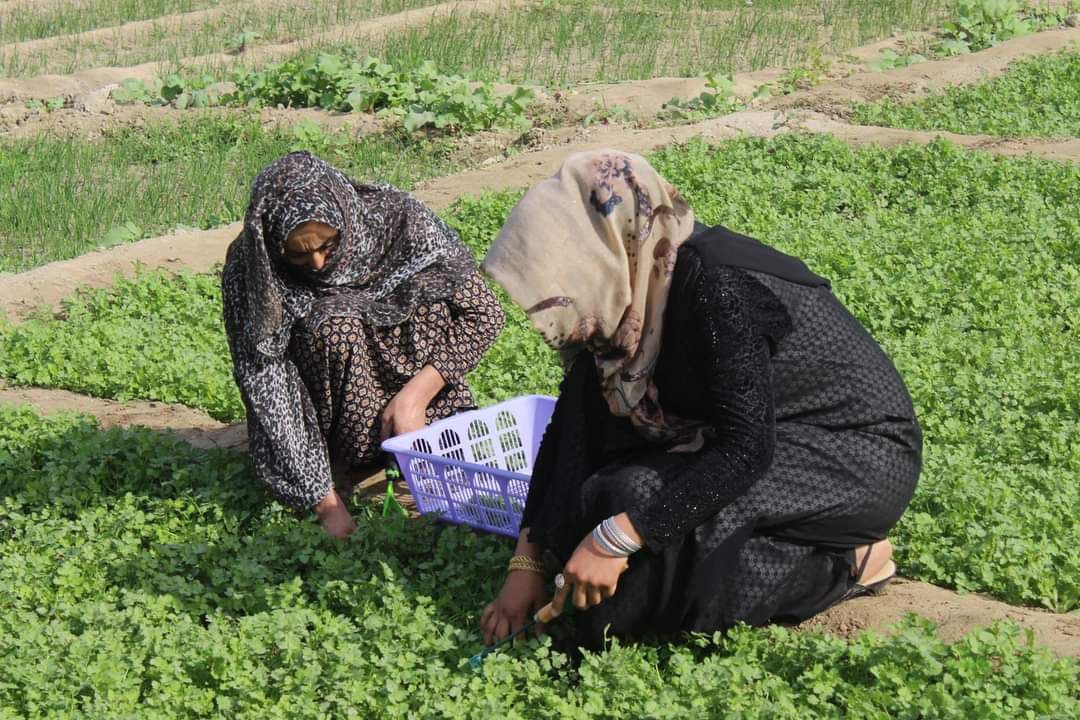
Rooftop Garden Initiative
Green Rooftop Garden Project
Fatima transformed her family's rooftop into a green garden using recycled containers and greywater systems.
She grew vegetables and inspired neighbors to do the same.
"Even one drop of water can grow hope."
Organic vegetables for family and neighbors
Start Your Climate Action Journey Today
Every action counts. Join thousands of Afghan youth building a sustainable future.